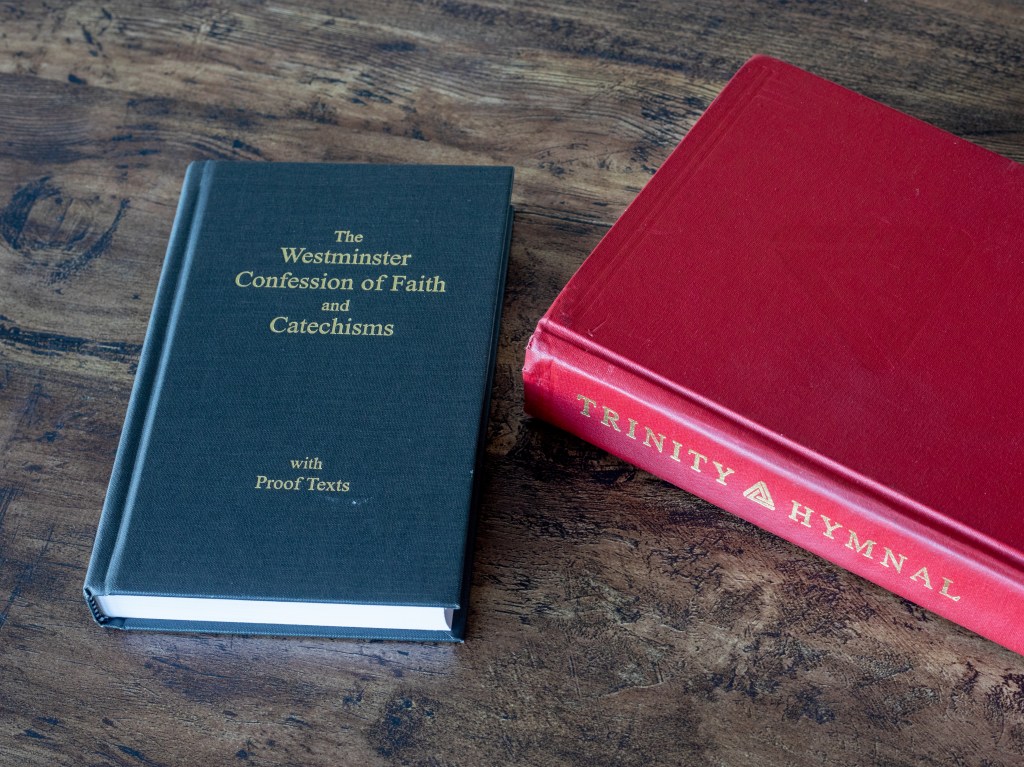
At LWEPC, our form of church government is called “Presbyterian.” In sum, our congregation is led by three kinds of church officers, Pastors, Elders, and Deacons.
PASTORS
Pastors (also referred to as Teaching Elders) have the responsibility to preach God’s Word, administer the Sacraments, lead the worship of the congregation, and oversee the education, nurture, and mission of the church.
The Pastor serves alongside the Ruling Elders and moderates the Session.
RULING ELDERS
The word “Presbyterian” refers to LWEPC’s form of government and comes from the Greek word for “elder” or “overseer.” Basically this means that our church is not run by one person making all of the decisions, nor is the church run by the majority vote of our members. Instead, we believe that the Bible indicates that congregations are to be led by a group of exemplary men and women titled Ruling Elders, who are set apart (what we call ordination) to this office. At LWEPC, Ruling Elders focus their ministry on an assigned group of members we call a “Flock.”
The qualifications for these leaders are listed in the Bible (1 Timothy 3:1-7; Titus 1:5-9). The role of these elders is:
• Oversight – Guarding the spiritual health of the congregation and the purity of Christ’s church.
• Order – Working with the Pastor to lead in the life and mission of the congregation.
DEACONS
The word “Deacon” comes from the Greek word for servant. Deacons are also exemplary men and women who are set apart to lead our congregation in works of service and mercy. The qualifications for Deacons are listed in the Bible as well (1 Timothy 3:8-13). Deacons work under the authority of, and in concert with the Elders to lead LWEPC in:
• Mercy – Leading LWEPC in understanding and meeting the physical and economic needs of people we come in contact with. There is a particular focus on the poor, the sick and the vulnerable.
• Helps – Tending to the ongoing practical needs of church life at LWEPC like preparation for Communion and relaying key information to their assigned congregants.
 Living Waters Evangelical Presbyterian Church
You must be logged in to post a comment.